
Blog
Exploring the psychological effects of casinos on decision-making behavior
Exploring the psychological effects of casinos on decision-making behavior
The Allure of Gambling: Understanding Psychological Triggers
The design of casinos is a meticulously crafted environment aimed at influencing decision-making. Bright lights, vibrant colors, and enticing sounds create an atmosphere that heightens excitement and emotional engagement. This sensory stimulation often leads individuals to make impulsive decisions, as the thrill can overshadow rational thought. Research indicates that people are more likely to gamble when they are emotionally charged, whether through excitement or stress. Consequently, the casino’s ambiance plays a pivotal role in modifying players’ cognitive processes. Many players enjoy visiting an online casino spinboss to experience all these immersive features firsthand.
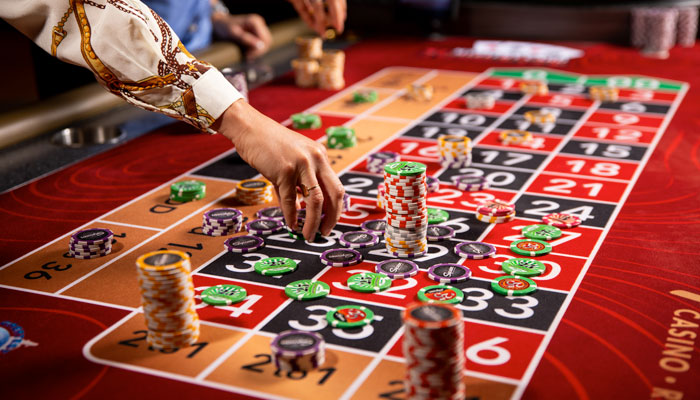
Moreover, casinos employ psychological principles such as the “near-miss effect,” where players experience a loss that feels close to a win. This phenomenon can lead to increased gambling behavior as players become convinced that they are “due” for a win. This cognitive bias reinforces a cycle of risk-taking behavior, where losses are perceived as temporary setbacks rather than definitive failures. The continual reinforcement of this mindset creates a gambling environment that thrives on emotion rather than calculated decision-making.
Additionally, the concept of loss aversion contributes significantly to decision-making in casinos. Players often prefer to avoid losses rather than achieve equivalent gains. This aversion can result in irrational choices, such as continuing to gamble in hopes of recouping losses. The psychological impact of losing money can cloud judgment and lead to further financial risk-taking, thereby perpetuating the cycle of gambling behavior. Understanding these triggers is essential for recognizing how casino environments influence decision-making.
The Role of Skill vs. Luck in Decision-Making
In casino gaming, the balance between skill and luck can significantly affect players’ decision-making processes. Games like poker require strategic thinking and skill, whereas slot machines rely entirely on chance. This distinction influences how individuals perceive their chances of winning and their overall engagement. Players who believe they can influence the outcome through skill are more likely to gamble more frequently, often leading to a false sense of control.
This illusion of control can lead players to underestimate the role of luck, resulting in increased risk-taking behavior. For instance, a poker player may continue to engage in high-stakes games, convinced that their skills will ultimately lead to success. Conversely, players of games based solely on luck may experience frustration and make impulsive decisions when they face a series of losses, often leading to chasing losses instead of making logical choices.
The psychological investment in either skill-based or luck-based games significantly shapes how players react to wins and losses. Winning can validate their decisions and foster a stronger emotional connection to the game. In contrast, repeated losses can lead to feelings of inadequacy, prompting players to make more drastic decisions in an attempt to regain control or prove their skills. This cycle is a powerful example of how psychological factors intertwine with gambling behavior.
The Impact of Social Dynamics on Decision-Making
Social interactions in casino settings can further influence decision-making behavior. Gambling is often a communal activity, with friends and strangers alike sharing in the excitement of the experience. These social dynamics can create a bandwagon effect, where individuals feel pressure to conform to the behaviors and decisions of those around them. As a result, players may engage in higher-risk gambling than they would in isolation, driven by the desire for social approval or a shared experience.
Moreover, the presence of charismatic dealers or fellow players can sway decision-making, as individuals may imitate the behaviors they observe. This mimicry can lead to increased gambling stakes and a more carefree attitude towards losses. The encouragement or excitement expressed by others in the casino can amplify emotional highs, further distorting rational decision-making. Players often find themselves swept up in the collective enthusiasm, leading to decisions that may not align with their personal gambling strategies.
The camaraderie that develops in casino environments can also obscure the realities of gambling. For instance, individuals might downplay their losses to maintain a positive group dynamic, leading to poor decision-making. This social aspect can exacerbate existing psychological biases, reinforcing the thrill of gambling while downplaying the risks involved. Understanding how social dynamics influence decision-making is crucial for recognizing the broader psychological effects of casino environments.
Addiction and Its Psychological Implications
The psychological effects of casino gambling can lead to addiction for some individuals. The thrill of gambling, coupled with the potential for financial gain, can create a compulsive cycle that is challenging to break. Problem gambling can develop gradually, with players initially enjoying the excitement without realizing the detrimental impact on their lives. As they become more deeply involved, the psychological rewards of gambling can overshadow the negative consequences.
Individuals may experience withdrawal symptoms similar to substance abuse when they attempt to cut back on gambling. These symptoms can include anxiety, irritability, and intense cravings, leading to a return to gambling as a coping mechanism. The need to chase losses or regain a sense of control can drive players to make increasingly reckless decisions, further entrenching their addiction and complicating their recovery efforts.
Understanding the psychological implications of gambling addiction is essential for developing effective interventions. Treatment often includes cognitive-behavioral therapy, which aims to address the distorted thought patterns that lead to compulsive gambling. By focusing on the underlying psychological factors, individuals can learn to make healthier decisions and regain control over their gambling behavior. Recognizing addiction as a complex psychological issue is vital for promoting awareness and facilitating recovery.
SpinBoss Casino: A Responsible Gaming Environment
SpinBoss Casino, launched in 2023, recognizes the psychological effects of gambling and is committed to fostering a responsible gaming environment. Offering a wide selection of games, SpinBoss prioritizes player safety and well-being through secure payment options and a user-friendly registration process. The platform provides players with tools to manage their gambling activities, including deposit limits and self-exclusion features to promote responsible play.
In addition to a comprehensive gaming experience, SpinBoss Casino emphasizes transparency and education about the psychological aspects of gambling. They provide resources that educate players on the importance of understanding the balance between skill and luck, as well as the potential for addiction. This commitment to player education is crucial in helping individuals make informed decisions about their gambling habits.
By combining exciting gaming options with a focus on responsible gaming practices, SpinBoss Casino aims to create a positive atmosphere that acknowledges the psychological effects of gambling. Their dedicated customer support is available around the clock to assist players with any questions or concerns, reinforcing their commitment to a safe and enjoyable gaming experience.